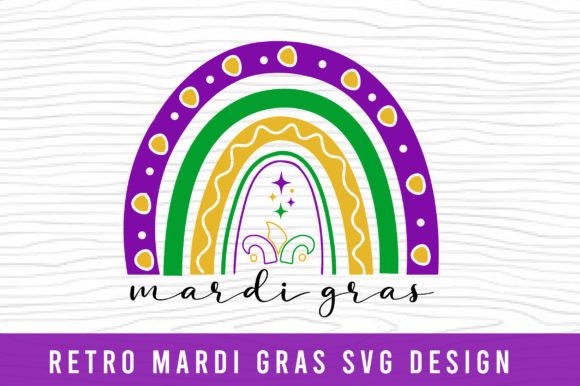
Mardi Gras T-Shirt Design: Typography & Retro Assets
Capturing the vibrant energy of Mardi Gras in a single design requires more than just festive imagery; it demands a strategic blend of color, composition, and especially typography. For designers, marketers, and creators seeking to evoke this celebratory spirit, a well-executed Mardi Gras T-shirt design serves as a powerful visual communication tool. The right retro typography asset doesn't just decorate—it tells a story, establishes a mood, and creates an immediate connection with the audience, making it an invaluable component of modern graphic design and branding projects.
The Power of Retro Typography in Visual Storytelling
Retro typography, particularly for a theme like Mardi Gras, taps into a sense of nostalgia and authenticity that modern fonts often lack. Its hand-crafted, illustrative quality adds personality and warmth, which is crucial for building a relatable brand identity. When applied to merchandise like T-shirts, this style of typography does more than convey a message; it creates an experience. The visual hierarchy established by bold, decorative letterforms guides the viewer's eye, ensuring key information is both seen and felt. This approach is fundamental to effective visual design, transforming a simple garment into a piece of wearable art that communicates community, celebration, and tradition.
Practical Applications Across Creative Projects
The utility of a versatile Mardi Gras design extends far beyond apparel. Its core elements—festive colors, dynamic typography, and a celebratory aesthetic—can be adapted to strengthen numerous creative and commercial projects. Consider how these assets can elevate your work:
- Branding and Marketing Materials: Use the design's color palette and typographic style to create cohesive brand collateral, from posters and flyers to digital ads, ensuring a consistent and festive brand identity.
- Social Media Content: Generate high-engagement posts, stories, and event banners. The bold visuals are perfect for stopping the scroll and communicating event details or promotional offers instantly.
- Web and UI Design: Incorporate design elements as background textures, hero graphics, or icons for event websites and landing pages, enhancing the user experience with thematic consistency.
- Packaging and Merchandise: Apply the design to stickers, mugs, tote bags, and posters. A unified look across merchandise strengthens brand recognition and offers tangible value to your audience.
- Editorial and Presentation Design: Use illustrative typography as section headers or focal points in magazines, blogs, or slide decks to add visual interest and thematic depth.
Integrating Assets into Your Design Workflow
To maximize the impact of any creative asset, thoughtful integration is key. When selecting a Mardi Gras typography design, evaluate its scalability and file compatibility. Assets provided in vector formats like EPS and SVG are essential, as they allow for infinite resizing without quality loss—critical for everything from small social media icons to large-format prints. High-resolution PNG files at 300 PPI ensure crisp output for print-on-demand services and physical products.
Furthermore, consider the design's adaptability. A fully editable vector file empowers you to adjust colors to match a specific brand palette, modify letter spacing for improved readability, or isolate individual elements for use in other compositions. This flexibility is a cornerstone of an efficient design workflow, allowing you to maintain visual consistency across a campaign while tailoring assets to specific applications. Always ensure the style aligns with your project's modern aesthetics and audience expectations to achieve a polished, professional presentation.
Ultimately, the value of a thoughtfully crafted Mardi Gras design lies in its ability to communicate a complex cultural moment through pure visual form. By prioritizing quality typography, scalable vector assets, and strategic application, you transform a festive theme into a powerful tool for connection. These creative resources do more than fill space; they build atmosphere, evoke emotion, and elevate your projects from ordinary to exceptional, proving that strategic design choices are fundamental to effective visual communication.